


Pursuing what would be just a fifth 'Grand Slam' in their storied history, the All Blacks have traveled to Europe at an pivotal moment.
Fixtures against Ireland, the Scottish side, England and Wales await the All Blacks across the upcoming weeks but, quite aside from the chance to join the sides of previous successful tours in the history books, the games will be used as a measure to evaluate the progress of the team under a head coach now well established from assuming control.
Present Difficulties
Doubts over a shortage of an distinctive approach, continuing controversies over selection and exits from the coaching ticket have all added to the sense that the most recognisable team in the sport is presently one in a period of transition.
Most pertinently, it is the drop in results from a historic high watermark set between the World Cups of the last decade that has led some to suggest that we have moved out of the era of New Zealand dominance.
Recent History
Prior to their departure for the northern hemisphere, it was revealed that next year, in the absence of the Rugby Championship, the All Blacks will meet South Africa in a summer series called 'a unique competition'.
Traditionally the sport's top competitors, there is no question over who has recently got the better of what promoters have called 'The Ultimate Contest'.
In recent seasons, the Springboks have claimed a pair of global tournaments, three Rugby Championships and a series against the home nations team to be considered as the side of their period.
The All Blacks have continued to defeat Ireland when it is crucial, beating their next challengers in the World Cup quarter finals of recent years. They have, meanwhile, been defeated in just a pair of the last fixtures with the English team, have overcome the Welsh side in each game since 1963 and have remained unbeaten by the Scottish team.
Changing Dynamics
But the decline of their status as the rugby's benchmark will remain frustrating.
Whereas the New Zealand team reigned supreme through the 2010s - achieving eighty-seven percent of their Test matches, as well as winning the Webb Ellis on multiple times - the World Cup of the previous competition can now be seen as when the competitive landscape moved in the international rugby.
New Zealand overcame South Africa in their initial fixture of the competition in the host nation, but it was the Boks' who were eventually successful in the championship match.
From that point, the All Blacks' victory ratio has dropped to seventy-one percent. The Springboks themselves lost 10 of their following games but, since the start of last year, have won at a rate (83%) to match even the former Kiwi champions.
Recent Encounters
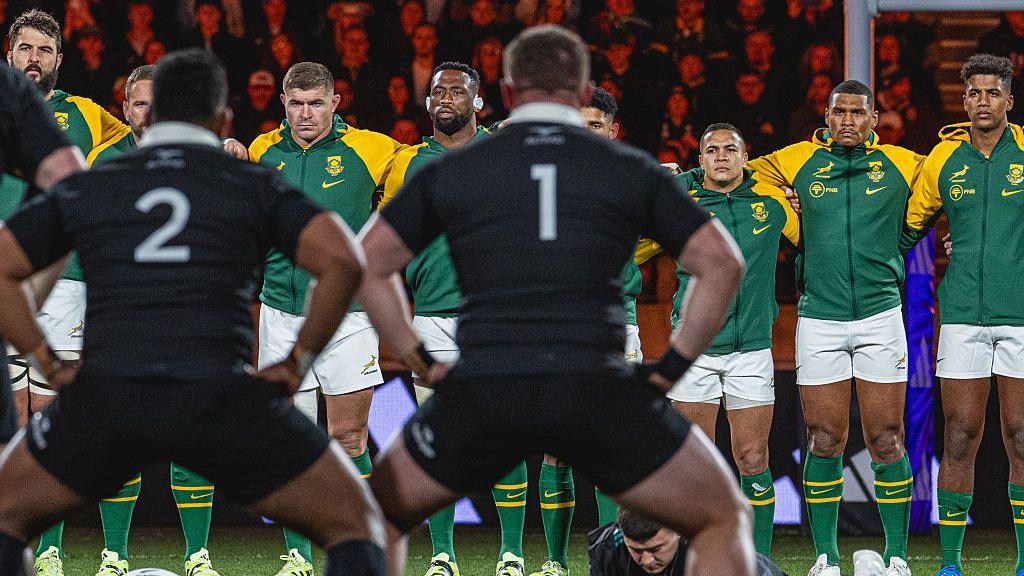
Throughout the same period, the South African team have secured victory in the majority of the past fixtures between the opponents, comprising triumph in the 2023 World Cup final.
During their pursuit of their current southern hemisphere crown, the Springboks administered a historic loss on the All Blacks through 36 unanswered second-half points in Wellington, a result which has ignited another round of discussion about the direction of the squad under their leader.
Maybe most jarring for fans of the New Zealand team will be that, allied to their characteristic physicality, South Africa's success has come with an creative approach more typically linked with their own side.
Style Evolution
During the period when the New Zealand team were at the peak of their capabilities in previous eras, they were a clinical transition team able of dismantling competitors from all areas of the pitch and at any point of the match.
Today, their playing philosophy is more ambiguous as their leader, who has awarded numerous first caps during his two years in charge, tries to primarily create the basic building blocks of a competitive squad.
It has recently revealed that the assistant coach responsible for scoring, the current coach, will depart his position after the fall series, becoming the next individual of the coaching staff to leave after another coach left last year after just limited matches.
Performance Gap
It was not just Robertson's success, but his methodology, that was predicted to translate from previous club when he began his tenure after the 2023 World Cup but, so far, the two aspects are still a work in progress.
Commercial Considerations
When private equity firm investors acquired shares in New Zealand rugby in the past, the ensuing statement spoke of the "quest of new global opportunities" for the brand.
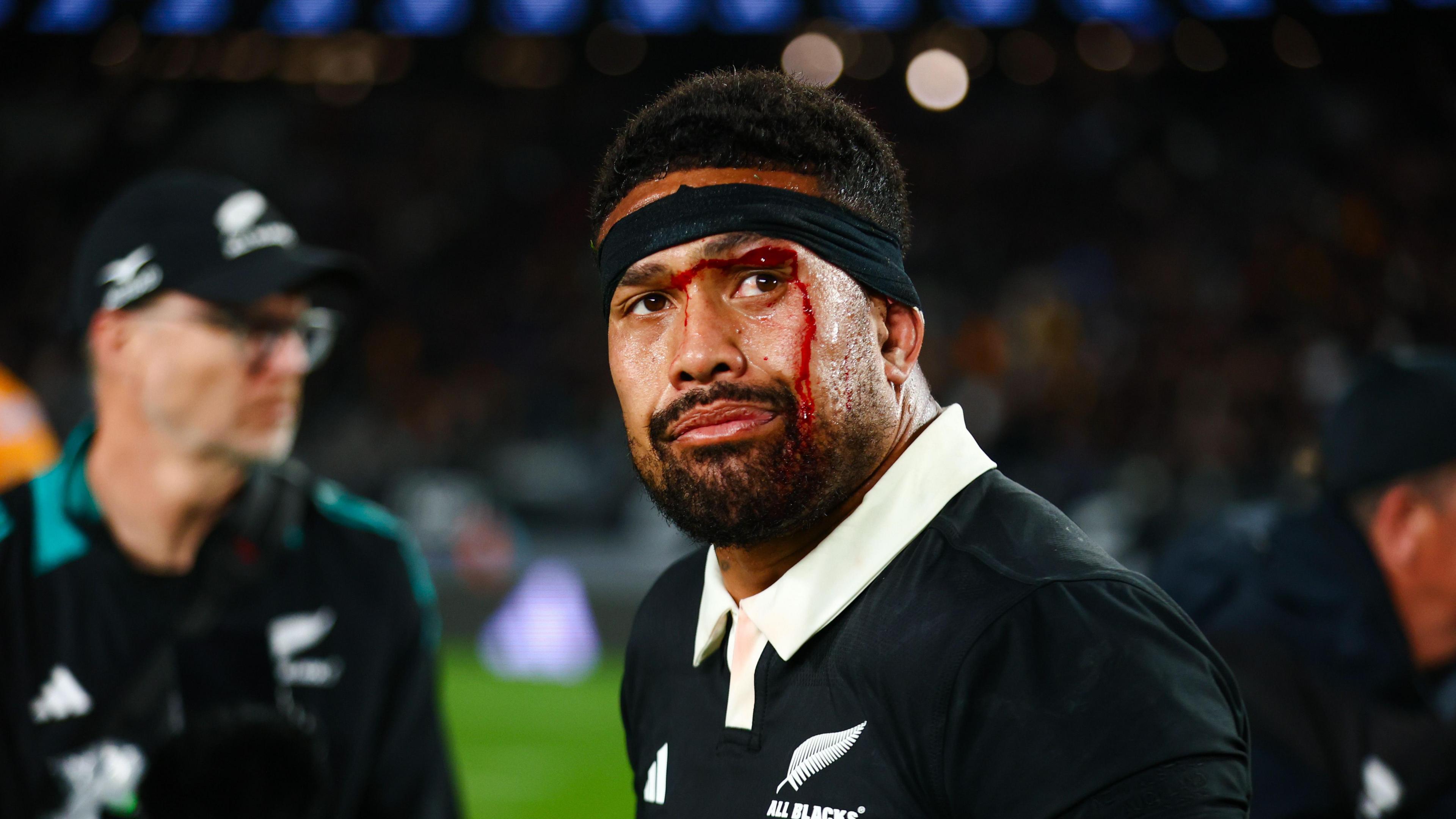
That objective has possibly been more difficult by the absence of a international celebrity. Ardie Savea and the group of related players continue to be recognizable personalities in the game, but the spread of key individuals has never been spread wider. The captain is the only All Black to receive global recognition in the current era, in opposition to 10 in 13 years between previous generations.
International Growth
Rather, efforts have been implemented to transplant the All Blacks into new territories.
The opening phase of this northern hemisphere series brings the All Blacks not to the Irish capital but the American city, a revisit to the Soldier Field venue where Ireland obtained a first ever victory in the fixture nine years ago.
Following the relaxation of pandemic limitations, the New Zealand team have additionally


